ABA and Behaviour Therapy in JP Nagar, Bangalore: A Parent’s Local Guide (2026)

ABA and Behaviour Therapy in JP Nagar, Bangalore: A Parent’s Local Guide (2026)

If you are searching for ABA therapy or child behaviour therapy in JP Nagar and the surrounding neighbourhoods – Jayanagar, BTM Layout, Banashankari, Bannerghatta Road, Kumaraswamy Layout – you are likely juggling two questions at once: what kind of support does my child actually need, and where nearby can we get it without crossing half of Bangalore in traffic? This 2026 guide answers both: what quality behavioural therapy looks like, and how families in and around JP Nagar can access it locally. (Updated for 2026.)

What Is ABA and Behaviour Therapy, and Who Is It For in 2026?

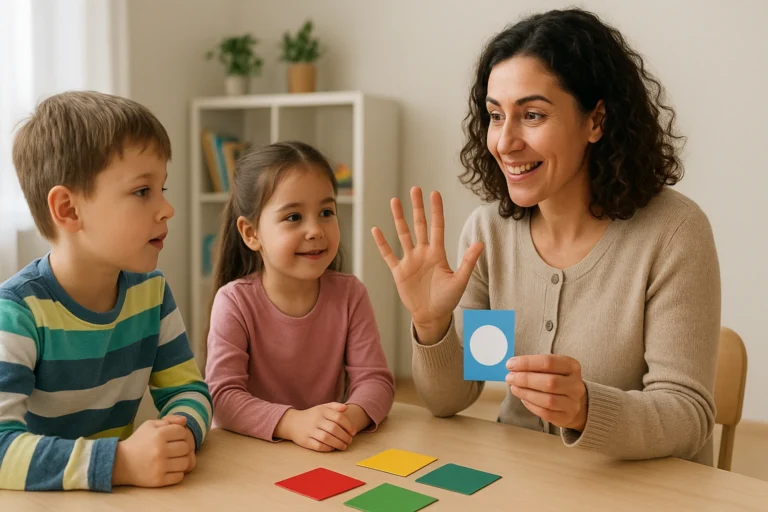
ABA (Applied Behaviour Analysis) and behaviour therapy use the science of learning to help children build real-life skills – communication, daily routines, emotional regulation, school readiness – by breaking them into small, teachable steps and encouraging each one positively. In 2026, these approaches are commonly used for children with autism, ADHD, developmental delays, and everyday behaviour struggles like intense tantrums or school difficulties. Modern, ethical practice is individualised, respectful, and built around parents as partners – never punishment-based.

Why Location Genuinely Matters for Child Therapy

Therapy works through consistency – weekly sessions sustained over months. In Bangalore, that makes geography a real clinical factor: a centre an hour away in traffic is a centre families eventually stop visiting. For parents in South Bangalore, having specialised behavioural support in JP Nagar means sessions actually happen: after-school slots are reachable, both parents can attend parent-training sessions, and a tired child arrives regulated rather than car-sick and overwhelmed. Convenience is not a luxury here; it protects the consistency that outcomes depend on.

CBT2 in JP Nagar: Behavioural Support in the Heart of South Bangalore

CBT2, founded and clinically directed by Dr. Anupama Maruvada, is a child and adult behaviour and cognitive-behaviour therapy centre located in JP Nagar, Bengaluru. The centre specialises in autism early intervention, behaviour therapy, ADHD and attention support, psychological assessments, parent training, and BMSI (behaviour modification and school integration) for school readiness – with couple and adult services alongside. Every child’s journey begins with an initial evaluation, and parents are trained as partners so progress continues at home between sessions.

For families who prefer to begin from home, or for follow-ups between visits, CBT2 also offers online consultations – a hybrid pattern many South Bangalore families use in 2026.

Areas CBT2 Serves Around JP Nagar

Families reach the JP Nagar centre conveniently from across South Bangalore:

Area Getting to CBT2, JP Nagar
JP Nagar (all phases) Local – minutes from anywhere in JP Nagar 1st to 9th Phase
Jayanagar Short drive; also convenient via the Green Line metro corridor
BTM Layout Quick access via Ring Road
Banashankari Straightforward drive; metro corridor nearby
Bannerghatta Road (Arekere, Hulimavu) Direct route via Bannerghatta Main Road
Kumaraswamy Layout / Uttarahalli Short local drive
Koramangala / HSR Layout Reachable via Ring Road; many families combine visits with online follow-ups
Electronic City Elevated expressway + NICE Road access; hybrid in-person/online works well

Gentle tip: if you are further out, a practical 2026 pattern is in-person for the initial evaluation and periodic reviews, with parent training and follow-ups online – full support, minimal traffic.

What Quality Behavioural Therapy Looks Like (Wherever You Go)

  • Assessment before advice: an initial evaluation of your child’s profile before any programme is proposed – never a standard package on day one.
  • Individualised, real-life goals: communicating needs, managing transitions, participating at school – not just table drills.
  • Parents trained, not just briefed: structured parent training so strategies live at home, where your child spends most of their week.
  • Positive, respectful methods: behaviour treated as communication; encouragement-based teaching, never force or shame.
  • Honest language: “works towards” and “may support” – any centre promising cures or guaranteed outcomes is a red flag, in JP Nagar or anywhere.
  • Open progress reviews: observable goals, discussed with you honestly at regular intervals.

How to Start With CBT2 in JP Nagar (2026)

  • Step 1 – Book an initial evaluation: online or in person; an unhurried conversation about your concerns, your child’s history, and your goals.
  • Step 2 – Get an individualised plan: behaviour therapy, parent training, assessment, or BMSI school-readiness support – matched to your child, not a template.
  • Step 3 – Begin sessions: in-person at JP Nagar, online, or a practical mix.
  • Step 4 – Practise at home: parent coaching turns daily routines in your own home – meals, play, bedtime – into the most powerful therapy hours of the week.
  • Step 5 – Review and adjust: progress is checked openly and plans evolve as your child grows.

When to Seek Support Rather Than Wait in 2026

Consider booking an evaluation if you are noticing developmental or communication differences, persistent intense tantrums, school complaints that keep repeating, attention and focus struggles across settings, or simply a parental instinct that will not settle. South Bangalore families often tell us the same thing after a first visit: “we should have come earlier.” Early support is easier support – and with a centre in JP Nagar plus online options in 2026, distance is no longer the reason to postpone.

Myths vs Facts (2026)

Myth Fact
“Good child therapy in Bangalore means going to the big-name central clinics.” Quality depends on assessment-first practice, individualised plans, and parent partnership – all available locally in JP Nagar.
“ABA is the same at every centre.” Quality varies enormously. Ask how goals are set, how parents are involved, and how progress is measured before enrolling anywhere.
“If we start therapy nearby, we’re stuck with it.” Plans should be reviewed openly every term – and hybrid online options in 2026 mean flexibility is built in.
“Behaviour therapy can cure autism.” No therapy cures autism. Quality behavioural support works towards skills, communication, and wellbeing – outcomes vary from child to child.

FAQs: Child Behaviour Therapy in JP Nagar (2026)

Where exactly is CBT2 located?

CBT2 is in JP Nagar, Bengaluru – easily reached from Jayanagar, BTM Layout, Banashankari, Bannerghatta Road, and surrounding South Bangalore areas. Contact the centre via the booking page or WhatsApp below for directions and timings.

Does CBT2 offer ABA therapy in JP Nagar?

CBT2 provides behavioural therapy and early intervention drawing on behaviour-analytic and cognitive-behavioural methods, individualised after an initial evaluation – with structured parent training at the core of every child’s plan.

What ages does the centre support?

Children from toddlerhood through the teen years – plus adults and couples, since CBT2 is a child and adult behaviour therapy centre.

Can we mix in-person sessions at JP Nagar with online sessions?

Yes – many families in 2026 combine in-person evaluations and key sessions with online parent training and follow-ups, especially from HSR, Koramangala, or Electronic City.

Do we need a diagnosis before coming?

No. Concerns and questions are enough – the initial evaluation clarifies what, if anything, is needed next. Many parents leave simply reassured.

Key Takeaways (2026)

  • Consistency drives therapy outcomes – and a specialised centre in JP Nagar makes consistency realistic for South Bangalore families.
  • CBT2 offers assessment-first, parent-partnered behavioural support in JP Nagar, serving Jayanagar, BTM, Banashankari, Bannerghatta Road and beyond.
  • Judge any centre on assessment, individualisation, positive methods, and parent training – never on cure promises.
  • Hybrid in-person + online support makes starting easy in 2026, wherever in South Bangalore you live.

Supportive Disclaimer & Sources

This article is for general awareness and education only and is not a diagnosis or a substitute for professional assessment or care. Every child and adult is unique, and signs can have many causes – only a qualified professional can assess an individual situation. If you have concerns, please consider booking a consultation. CBT2 focuses on supporting improvement through assessment and parent-involved approaches; outcomes vary from person to person.

Sources (reviewed 2026): World Health Organization (autism and caregiver skills training resources); peer-reviewed research on behavioural early intervention and parent-mediated approaches; international ethical guidance on behaviour-analytic practice.

You don’t have to navigate this alone in 2026.
CBT2 offers in-person sessions in JP Nagar, Bengaluru and online consultations across India, with parents as partners in the process.
Book a consultation | Message us on WhatsApp

What Is CBT2? Meaning, the Centre in Bengaluru, and How Cognitive Behaviour Therapy Fits In

What Is CBT2? Meaning, the Centre in Bengaluru, and How Cognitive Behaviour Therapy Fits In

People search “CBT2 meaning” for different reasons – some are looking for CBT2, the child and adult behaviour therapy centre in Bengaluru; others want to understand cognitive behaviour therapy itself, or have seen “CBT-2” mentioned in an unrelated context. This page answers all of it in one place: what CBT2 the centre is, who it supports, and how cognitive behaviour therapy (the “CBT” in the name) actually works.

What Is CBT2 (the Centre)?

CBT2 is a child and adult behaviour and cognitive-behaviour therapy centre based in JP Nagar, Bengaluru, founded and clinically directed by Dr. Anupama Maruvada. The name reflects its dual focus: Child & adult Behaviour Therapy and Cognitive Behaviour Therapy – two complementary approaches under one roof. The centre specialises in autism early intervention, ADHD and learning support, child behaviour and emotional wellbeing, adult behavioural support, and couple counselling – in person in Bengaluru and online across India.

Why the Name Has Two “CBTs”

Behaviour therapy and cognitive behaviour therapy are close cousins. Behaviour therapy focuses on observable actions – building skills and understanding what behaviour communicates, which is especially powerful for young children and developmental support. Cognitive behaviour therapy adds the “thinking” layer – noticing thought patterns that drive feelings and actions, which suits older children, teens, adults, and couples. CBT2 combines both, choosing the tools that fit each person’s age and needs.

Who CBT2 Supports

For children & teens For adults For couples & families
Autism early intervention and behavioural support Stress management and anxiety support Couple counselling
ADHD, attention and focus, learning support Anger management Marriage and family therapy
Emotional regulation, tantrums, school concerns Low self-esteem and confidence building Premarital counselling
Psychological assessments Coping strategies for life transitions Communication in relationships

Two signature elements run through the child services: parent training (parents as partners, so progress continues at home) and BMSI – behaviour modification and school integration – which works towards school readiness and smoother classroom participation.

How Support at CBT2 Works

  • Initial evaluation: every journey begins with an unhurried assessment of needs, strengths, and goals.
  • Individualised plan: therapy, parent training, assessment, or a combination – matched to the person, not a package.
  • Sessions: in-person at JP Nagar, Bengaluru, or online across India.
  • Parents as partners: for children, parents learn the strategies too – home is where change lives.
  • Open reviews: progress is discussed honestly and plans adjust as needs evolve.

What About Other Meanings of “CBT2”?

If you arrived here from a different context: “CBT” most commonly stands for cognitive behavioural therapy in health settings, and you may occasionally see “CBT-2” refer to specific test editions or unrelated technical terms in other fields. If you were looking for behavioural and cognitive-behaviour therapy support in India, you’re in the right place – that’s what CBT2 in Bengaluru does.

When to Consider Reaching Out

Consider a consultation if you’re noticing developmental or behavioural differences in your child, if school has raised concerns, if anxiety, stress, or anger is affecting your daily life, or if your relationship could use structured support. A first conversation is simply that – a conversation. It helps you understand options; it commits you to nothing.

Myths vs Facts

Myth Fact
“Therapy centres are only for diagnosed conditions.” Many families come with questions, not diagnoses. Assessment and guidance are valuable exactly when you’re unsure.
“CBT is only for adults.” Behavioural and cognitive-behavioural methods adapt from toddlerhood (play-based, parent-involved) through adulthood.
“Online consultations are second-best.” Consultations and parent training work well online, making specialised support accessible across India.
“Going to therapy means something is wrong with us.” Seeking support is a practical, caring step – like coaching for emotional and behavioural wellbeing.

FAQs

Where is CBT2 located?

CBT2 is located in JP Nagar, Bengaluru, with in-person sessions there and online consultations available across India.

Who founded CBT2?

CBT2 was founded and is clinically directed by Dr. Anupama Maruvada, who leads the centre’s parent-partnered, early-intervention-focused approach.

Does CBT2 work with adults, or only children?

Both. Alongside child and adolescent services, CBT2 supports adults with stress, anxiety, anger, and confidence, and offers couple and family counselling.

How do I book a consultation with CBT2?

You can book directly through the website’s appointment page or message the centre on WhatsApp – links are at the end of this article.

Key Takeaways

  • CBT2 is a child and adult behaviour + cognitive-behaviour therapy centre in JP Nagar, Bengaluru, founded by Dr. Anupama Maruvada.
  • It specialises in autism early intervention, ADHD and learning support, adult wellbeing, and couple counselling.
  • Parent training and school-integration support (BMSI) are central to the child services.
  • Sessions run in person in Bengaluru and online across India.

Supportive Disclaimer & Sources

This article is for general awareness and education only and is not a diagnosis or a substitute for professional assessment or care. Every child and adult is unique, and signs can have many causes – only a qualified professional can assess an individual situation. If you have concerns, please consider booking a consultation. CBT2 focuses on supporting improvement through assessment and parent-involved approaches; outcomes vary from person to person.

Sources: World Health Organization (mental health and autism resources); internationally recognised clinical literature on cognitive behavioural and behavioural therapies.

You don’t have to navigate this alone.
CBT2 offers online consultations across India and in-person sessions in Bengaluru, with parents as partners in the process.
Book a consultation | Message us on WhatsApp

Autism Therapy in Bangalore: Understanding Your Options and Finding the Right Fit

Autism Therapy in Bangalore: Understanding Your Options and Finding the Right Fit

Autism therapy in Bangalore spans a wide landscape – behaviour therapy, speech therapy, occupational therapy, early-intervention programmes, parent training, and school-integration support. For a parent hearing these terms for the first time, it can feel like alphabet soup. This guide walks through the main types of support available in Bengaluru (and online across India), what each one does, and how to build a plan that fits your child rather than a template.

What Does “Autism Therapy” Actually Include?

There is no single therapy called “autism therapy.” Support for autistic children is usually a combination of approaches chosen after an assessment: behavioural therapy for skills and emotional regulation, speech and language therapy for communication, occupational therapy for sensory and motor needs, and parent training so daily life at home supports everything else. The right mix depends entirely on your child’s profile – which is why assessment comes first.

Why Early, Coordinated Support Matters

Early support matters because young brains are remarkably responsive – the WHO notes that early intervention, particularly programmes involving caregivers, can meaningfully support communication and adaptive skills. Coordination matters just as much: therapies that talk to each other (and to your child’s school) reinforce the same goals instead of pulling in different directions. A child with three uncoordinated therapies often progresses slower than a child with two coordinated ones.

The Main Types of Support, at a Glance

Support type What it works towards Who typically provides it
Behaviour therapy Communication, learning readiness, emotional regulation, daily-living skills Behaviour therapists / psychologists
Speech & language therapy Speech, understanding, gestures, alternative communication (AAC) Speech-language therapists
Occupational therapy Sensory regulation, fine/gross motor skills, self-care Occupational therapists
Parent training Using strategies at home; confident, consistent parenting Behaviour specialists / psychologists
School integration support Classroom readiness, transitions, teacher coordination Programmes like BMSI
Psychological assessment Understanding strengths and needs; guiding the plan Psychologists

Gentle tip: if a centre offers the same package to every child, keep looking. Individualisation is the single clearest marker of quality.

How CBT2 Supports Autistic Children and Their Families

CBT2, founded by Dr. Anupama Maruvada and based in JP Nagar, Bengaluru, is a child and adult behaviour and cognitive-behaviour centre specialising in early intervention and behavioural support. What families often notice first is the philosophy: parents as partners. Alongside a child’s individual sessions, parents receive structured training so that mealtimes, play, and bedtime routines all become opportunities for growth.

The journey typically starts with an initial evaluation, leading to an individualised plan that may include behaviour therapy, parent training, and BMSI (behaviour modification and school integration) for children preparing for or struggling in school settings. In-person sessions run in Bengaluru; consultations and parent training are available online across India.

What You Can Do at Home, Starting Today

  • Follow their lead in play: join what your child is already interested in – shared attention is the soil communication grows in.
  • Narrate simply: short, clear phrases about what’s happening (“ball rolls!”) support language without pressure.
  • Offer choices: “apple or banana?” builds communication and reduces frustration.
  • Respect sensory needs: notice what overwhelms and what soothes; plan outings with those in mind.
  • Keep a wins journal: noting small progress weekly keeps the journey hopeful and shows patterns you can share with therapists.

When to Seek a Professional Assessment

If you’re noticing delays in speech, social interaction, or play; if preschool or school raises concerns; or if daily routines feel consistently hard – a professional assessment is the most useful next step. It’s equally sensible when your child already has a diagnosis but you’re unsure whether the current mix of therapies still fits. Assessments aren’t a verdict; they’re a map that makes every subsequent decision easier.

Myths vs Facts

Myth Fact
“There’s one best autism therapy.” Evidence supports individualised combinations – what’s best is what fits your child’s profile and family life.
“Therapy can make autism go away.” Autism is a lifelong neurodevelopmental difference. Therapy works towards skills, communication, and wellbeing – not a cure.
“If it’s not intensive, it’s not working.” Consistency and home carry-over often matter more than raw hours. Balance protects the child and the family.
“Parents should leave it to the professionals.” Caregiver involvement is one of the best-supported ingredients in early intervention research.

FAQs

What age should autism therapy start?

Support can begin as soon as concerns arise – even before a formal diagnosis. Early intervention commonly starts in toddlerhood, but meaningful progress is possible at every age.

How do I choose between therapy centres in Bangalore?

Visit, ask how goals are set, how parents are involved, and how progress is reviewed. Prefer centres that assess first, individualise plans, and welcome your questions.

Can therapy happen online?

Parent training, consultations, and many follow-ups work well online – CBT2 offers these across India. Some direct child therapies are best in person.

How many therapies does my child need at once?

Only as many as serve current goals without exhausting your child or family. A good assessment helps prioritise – you can always adjust as needs evolve.

Key Takeaways

  • “Autism therapy” is a coordinated mix – behavioural, speech, occupational, and parent-focused support.
  • Assessment first; individualised plan second; regular reviews always.
  • Parent involvement is among the strongest ingredients for progress.
  • CBT2 in JP Nagar, Bengaluru offers parent-partnered early intervention, with online support across India.

Supportive Disclaimer & Sources

This article is for general awareness and education only and is not a diagnosis or a substitute for professional assessment or care. Every child and adult is unique, and signs can have many causes – only a qualified professional can assess an individual situation. If you have concerns, please consider booking a consultation. CBT2 focuses on supporting improvement through assessment and parent-involved approaches; outcomes vary from person to person.

Sources: World Health Organization (autism fact sheet; caregiver skills training); peer-reviewed research on early intervention and parent-mediated approaches; international guidance on multidisciplinary autism support.

You don’t have to navigate this alone.
CBT2 offers online consultations across India and in-person sessions in Bengaluru, with parents as partners in the process.
Book a consultation | Message us on WhatsApp

ABA Therapy in Bangalore: What It Is, How It Works, and What Parents Should Know

ABA Therapy in Bangalore: What It Is, How It Works, and What Parents Should Know

If you’ve been told to look into ABA therapy in Bangalore, you probably have questions: What exactly is ABA? Is it right for my child? How is it different from other behavioural approaches? This guide explains Applied Behaviour Analysis in plain language, what a quality behavioural programme looks like, and how modern, parent-involved behavioural support works – so you can make an informed, confident choice for your family.

What Is ABA (Applied Behaviour Analysis)?

ABA is an approach that uses the science of learning and behaviour to help children build useful skills – communication, daily living, play, learning readiness – and to understand what a child’s behaviour is communicating. In practice, skills are broken into small, teachable steps, progress is measured, and positive reinforcement encourages each step forward. ABA is one of several behavioural approaches used in autism support, alongside developmental and naturalistic methods.

Why Behavioural Approaches Are Widely Used in Autism Support

Behavioural approaches are widely used because they are structured, measurable, and adaptable to each child. Research summarised by bodies such as the WHO indicates that structured early interventions, especially those involving caregivers, can support meaningful gains in communication and adaptive skills for many children. The key phrase is involving caregivers – programmes where parents learn the strategies tend to carry benefits into everyday life, because home is where a child spends most of their time.

What a Quality Behavioural Programme Looks Like

Look for Why it matters
An assessment before any plan Goals should come from your child’s actual profile, not a standard package.
Individualised, meaningful goals Skills should matter in real life – communicating needs, playing, daily routines – not just table drills.
Parent training built in You should be learning the strategies too, so progress continues at home.
Positive, respectful methods Modern behavioural support is built on encouragement and understanding – never punishment, force, or shame.
Progress you can see and discuss Regular reviews with data and honest conversation about what’s working.
A child who is (mostly) happy to attend Learning happens best when a child feels safe and engaged.

Gentle tip: ask any centre, “How will you involve me, and how will we know it’s working?” The quality of the answer tells you a lot.

How CBT2’s Behavioural Approach Works

CBT2, founded by Dr. Anupama Maruvada in JP Nagar, Bengaluru, provides behaviour therapy and early intervention for children with autism and related developmental needs – with a distinctive emphasis: parents as partners. Rather than positioning therapy as something done to a child in a clinic, CBT2 combines individual sessions with structured parent training, so families learn to use behavioural strategies in daily routines – meals, play, outings, bedtime.

Support begins with an initial evaluation, followed by an individualised plan that may include behaviour therapy, parent training, and the BMSI programme (behaviour modification and school integration) for school readiness. Families outside Bengaluru can access parent-training and consultation online across India.

What You Can Try at Home (Behavioural Basics for Parents)

  • Catch them doing well: notice and warmly acknowledge the behaviour you want to see more of – attention is powerful reinforcement.
  • Small steps: break skills into tiny pieces (holding a spoon before self-feeding) and celebrate each step.
  • First-then language: “First shoes, then park” makes expectations predictable and transitions easier.
  • Behaviour is communication: before reacting to a meltdown, ask what your child might be trying to say – tired, overwhelmed, needing help?
  • Keep routines predictable: consistency between caregivers helps new skills stick.

When to Seek a Professional Assessment

Consider a professional evaluation if your child has, or may have, developmental differences and you’re unsure what support would help; if behaviours at home or school are persistent and stressful; or if you’ve started a programme and want an independent perspective on goals and progress. An assessment gives you a clear starting point – and helps you choose between approaches based on your child’s actual needs rather than trends.

Myths vs Facts About ABA and Behaviour Therapy

Myth Fact
“ABA is the same everywhere.” Quality varies widely. Modern, ethical practice is individualised, positive, and family-centred – ask how a centre works before enrolling.
“More hours always means better outcomes.” Intensity should fit the child and family. Overloaded schedules can exhaust children; consistency and home carry-over matter enormously.
“Behaviour therapy is about making children compliant.” Good behavioural support builds communication, independence, and coping – it works towards a child’s own quality of life, not blind compliance.
“Any behavioural programme can cure autism.” No therapy cures autism. Behavioural support may help children build skills and reduce distress; outcomes vary from child to child.

FAQs

What ages is behavioural therapy suitable for?

Behavioural approaches are used from toddlerhood through the teen years and are commonly emphasised in early intervention, when developing brains respond especially well to supportive learning.

How is CBT2’s approach different from a standard ABA clinic?

CBT2 blends behavioural methods with cognitive-behavioural principles and places parent training at the centre, so strategies live at home – not only in the therapy room. Plans follow an initial evaluation and are individualised.

How long until we see progress?

It varies with the child, goals, and consistency at home. Meaningful change is usually gradual – reviewed openly at regular intervals rather than promised in advance.

Is behavioural therapy available online?

Parent training and consultations work well online, and CBT2 offers these across India. Direct child sessions are available in-person in Bengaluru.

Key Takeaways

  • ABA uses learning science to build meaningful skills in small, measurable steps.
  • Quality matters: individualised goals, positive methods, and parent involvement are non-negotiables.
  • No therapy cures autism – good support works towards skills, communication, and wellbeing.
  • CBT2 in Bengaluru offers parent-partnered behavioural support, with online options across India.

Supportive Disclaimer & Sources

This article is for general awareness and education only and is not a diagnosis or a substitute for professional assessment or care. Every child and adult is unique, and signs can have many causes – only a qualified professional can assess an individual situation. If you have concerns, please consider booking a consultation. CBT2 focuses on supporting improvement through assessment and parent-involved approaches; outcomes vary from person to person.

Sources: World Health Organization (autism and caregiver-skills training resources); peer-reviewed literature on behavioural and naturalistic developmental interventions; international ethical guidance on behaviour-analytic practice.

You don’t have to navigate this alone.
CBT2 offers online consultations across India and in-person sessions in Bengaluru, with parents as partners in the process.
Book a consultation | Message us on WhatsApp

Autism Schools in Bangalore: How to Choose the Right Learning Path for Your Child

Autism Schools in Bangalore: How to Choose the Right Learning Path for Your Child

Searching for autism schools in Bangalore can feel overwhelming – special schools, inclusive mainstream schools, therapy centres, shadow teachers, home programmes. The good news: Bengaluru has one of India’s widest ranges of options, and there is no single “best” school – only the best fit for your child’s current needs. This guide explains the types of options available, what to look for on a school visit, and how therapy and school integration support can work together.

What Are the Schooling Options for Autistic Children in Bangalore?

Families in Bengaluru typically choose between four broad paths: special schools designed for children with developmental needs; inclusive mainstream schools that accept neurodiverse learners (sometimes with a shadow teacher); hybrid models combining part-time school with therapy; and structured home-based learning supported by professionals. Many children move between these paths as they grow – the right answer at age 4 may change by age 8.

Why “Best School” Depends on Your Child, Not Rankings

A school that’s wonderful for one child may overwhelm another. What matters is the match between the environment and your child’s communication style, sensory needs, learning pace, and social readiness. According to UNESCO and disability-inclusion research, meaningful inclusion depends less on labels and more on trained staff, individualised plans, and genuine parent-school collaboration – factors you can evaluate on a visit.

What to Look For When You Visit a School

Area Questions worth asking
Staff preparedness What training do teachers have in supporting autistic learners? What’s the student-to-adult ratio?
Individualised planning Does each child get an individual education plan (IEP)? How often is it reviewed with parents?
Communication support How does the school support children with limited or emerging speech (visual schedules, AAC, gestures)?
Sensory environment Are there quiet spaces? How are noise, lighting, and transitions handled?
Behaviour approach How does the school respond to meltdowns? (Look for understanding-based approaches, never punishment or shame.)
Parent partnership How often will you get updates? Are parents welcome to observe or collaborate?
Therapy coordination Will the school coordinate with your child’s therapy centre or therapists?

Gentle tip: visit at a normal working hour, watch how staff speak to children, and trust what you see over what any brochure says.

How School Readiness and Therapy Work Together

Many children benefit from behavioural and communication support before and alongside school – building the skills that make classroom life easier: sitting for short activities, following simple instructions, transitions, communication, and emotional regulation. This is where a therapy centre complements a school rather than replacing it.

CBT2, founded by Dr. Anupama Maruvada in JP Nagar, Bengaluru, offers BMSI – Behaviour Modification and School Integration – a structured programme that works towards school readiness and smoother classroom participation, with parent training at its core. The aim is practical: help each child build the specific skills their school setting asks of them, while helping parents and teachers stay on the same page. Online parent support is available across India, with in-person sessions in Bengaluru.

What You Can Do at Home to Support School Readiness

  • Practise routines: predictable morning and activity routines make school transitions less stressful.
  • Short “table time”: a few minutes of an enjoyable seated activity daily gently builds attention span.
  • Visual schedules: pictures of the day’s steps reduce anxiety about “what comes next.”
  • Name feelings: label emotions during calm moments – it builds the vocabulary children need at school.
  • Rehearse new places: visit the school gate, see the uniform, meet the teacher – small previews lower first-day stress.

When to Seek a Professional Assessment First

If you’re unsure which schooling path suits your child, a psychological or developmental assessment can be the most useful first step. It clarifies your child’s current strengths, support needs, and readiness – turning school selection from guesswork into an informed decision. Many schools also ask for a recent assessment during admission, so it often saves time to do this early.

Myths vs Facts

Myth Fact
“Special school means giving up on mainstream.” Many children move from special or hybrid settings into mainstream classrooms as skills grow. Paths can change.
“Mainstream school is always the goal.” The goal is learning, wellbeing, and confidence. For some children that’s mainstream; for others a specialised setting serves better – sometimes just for a season.
“A good school removes the need for therapy.” Schools and therapy address different things and work best in coordination.
“More hours of everything is better.” Balance matters. Overloaded schedules can exhaust a child; quality and coordination beat quantity.

FAQs

At what age should I start looking at schools for my autistic child?

Many families begin exploring options around ages 2.5-4, alongside early intervention. Starting early gives you time to visit settings, build readiness skills, and avoid rushed decisions.

What is a shadow teacher, and does my child need one?

A shadow teacher is a trained adult who supports a child within a mainstream classroom. Whether it helps depends on your child’s needs – an assessment and a conversation with the school can clarify this.

Is CBT2 a school?

No – CBT2 is a behaviour and cognitive-behaviour therapy centre. Through its BMSI programme, it works towards school readiness and integration, partnering with parents (and where possible, schools) rather than replacing schooling.

How do I know if a school placement is working?

Look for signs over a term: your child separates more easily, shows new skills, and staff communicate openly with you. If distress persists or communication is poor, it’s reasonable to review the fit.

Key Takeaways

  • Bangalore offers special, inclusive, hybrid, and home-based options – the right one depends on your child’s current needs.
  • Evaluate schools on staff training, individual plans, sensory environment, and parent partnership.
  • Therapy and school work best together; school-readiness support (like CBT2’s BMSI) can smooth the path.
  • An assessment first turns school selection into an informed decision.

Supportive Disclaimer & Sources

This article is for general awareness and education only and is not a diagnosis or a substitute for professional assessment or care. Every child and adult is unique, and signs can have many causes – only a qualified professional can assess an individual situation. If you have concerns, please consider booking a consultation. CBT2 focuses on supporting improvement through assessment and parent-involved approaches; outcomes vary from person to person.

Sources: UNESCO guidance on inclusive education; WHO resources on autism spectrum disorders; published research on individualised education planning and school inclusion for neurodiverse learners.

You don’t have to navigate this alone.
CBT2 offers online consultations across India and in-person sessions in Bengaluru, with parents as partners in the process.
Book a consultation | Message us on WhatsApp

CBT Therapy in Bangalore: A Clear, Friendly Guide for Families and Adults

CBT Therapy in Bangalore: A Clear, Friendly Guide for Families and Adults

If you’re searching for CBT therapy in Bangalore, you’re likely looking for practical, evidence-aware support – for yourself, your child, or your family. Cognitive Behaviour Therapy (CBT) is one of the most researched talking-therapy approaches in the world, used to support anxiety, stress, low mood, anger, and behavioural concerns in both children and adults. This guide explains what CBT is, how it works, who it may help, and how to find the right support in Bengaluru or online across India.

What Is CBT (Cognitive Behaviour Therapy)?

CBT is a structured, goal-oriented therapy built on a simple idea: our thoughts, feelings, and behaviours are connected. By learning to notice unhelpful thought patterns and gradually practising new responses, many people find their emotional wellbeing and day-to-day functioning improve. CBT is typically time-limited, skills-based, and collaborative – you and the therapist work as a team, and you take practical tools home between sessions.

Bodies like the World Health Organization and national health services internationally recognise CBT-based approaches among first-line psychological supports for common concerns such as anxiety and depression.

Why CBT Is Widely Used for Children and Adults

CBT adapts well across ages. For adults, it can support stress management, anxiety, low self-esteem, and anger management. For children and teens, therapists use age-appropriate versions – play-based activities, drawing, stories, and parent involvement – to build emotional regulation and coping skills. Because CBT teaches skills rather than only offering a space to talk, many families find the benefits carry into school, work, and home life.

What CBT Can Support

For children & teens For adults For couples & families
Childhood anxiety and worries Stress and burnout Communication in relationships
Emotional regulation and tantrum-related patterns Anxiety support and overthinking Recurring conflict cycles
Attention and focus habits Low self-esteem and confidence building Premarital and marriage support
School-related fears and avoidance Anger management Parenting on the same page

Gentle tip: CBT works towards improvement through practice – think of it as building emotional fitness, one skill at a time. Progress looks different for every person.

How CBT2 Approaches Behaviour and Cognitive Behaviour Therapy in Bengaluru

CBT2, founded by Dr. Anupama Maruvada, is a child and adult behaviour and cognitive-behaviour centre based in JP Nagar, Bengaluru, offering in-person sessions locally and online consultations across India. The centre’s approach combines individual therapy with something many clinics miss: parents as partners. For children, parent training runs alongside the child’s sessions, so the strategies practised in the therapy room are reinforced at home – where change actually lives.

Support typically begins with an initial evaluation to understand goals and context, followed by a plan that may include individual therapy, parent training, psychological assessment, or marriage and family therapy, depending on what fits.

What a Typical CBT Journey Looks Like

  • Step 1 – Initial evaluation: an unhurried conversation to understand concerns, history, and goals.
  • Step 2 – A shared plan: clear goals you help set – whether that’s fewer meltdowns at home or managing workplace anxiety.
  • Step 3 – Skill-building sessions: learning to notice thought-feeling-behaviour patterns and practising alternatives.
  • Step 4 – Between-session practice: small, doable exercises at home; for children, parents are coached to support these.
  • Step 5 – Review and adjust: progress is checked openly, and the plan evolves with you.

When to Consider Reaching Out

Consider a consultation if worries, anger, low mood, or behavioural struggles are persistent, are affecting daily life (sleep, school, work, relationships), or if what you’ve tried on your own hasn’t shifted things. You don’t need to wait for things to become severe – many people find that seeking support early makes the path smoother. Reaching out for a first conversation is simply information-gathering; it commits you to nothing.

Myths vs Facts About CBT

Myth Fact
“Therapy is only for serious mental illness.” CBT is widely used for everyday challenges – stress, worry, confidence, parenting struggles – not only clinical conditions.
“CBT is just positive thinking.” CBT is about realistic, balanced thinking and practised behaviour change – a skills-based method, not forced positivity.
“Children are too young for therapy.” Child-adapted CBT uses play, stories, and parent involvement, and can help children build lifelong emotional skills.
“Online therapy doesn’t work.” Research suggests online CBT can be effective for many concerns, and it makes support accessible across India.

FAQs

How many CBT sessions will I need?

It varies with the person and the goal. CBT is often structured across a set of sessions with regular reviews, and your therapist will discuss a realistic plan with you after the initial evaluation.

Is CBT available online in India?

Yes. CBT2 offers online consultations across India, alongside in-person sessions in JP Nagar, Bengaluru. Many families and working adults prefer the flexibility of online sessions.

Can parents sit in on a child’s CBT sessions?

Parent involvement is central at CBT2. The exact format depends on the child’s age and goals, but parent training and regular parent updates are part of the approach.

What’s the difference between CBT and counselling?

Counselling is a broader term for supportive talking therapy. CBT is a specific, structured method within that umbrella, focused on the links between thoughts, feelings, and behaviours – with skills you practise between sessions.

Key Takeaways

  • CBT is a well-researched, skills-based therapy for children, teens, adults, and couples.
  • It can support anxiety, stress, anger, confidence, and behavioural concerns.
  • CBT2 in JP Nagar, Bengaluru pairs therapy with parent training – with online sessions across India.
  • Seeking support early often makes progress easier; a first consultation is simply a conversation.

Supportive Disclaimer & Sources

This article is for general awareness and education only and is not a diagnosis or a substitute for professional assessment or care. Every child and adult is unique, and signs can have many causes – only a qualified professional can assess an individual situation. If you have concerns, please consider booking a consultation. CBT2 focuses on supporting improvement through assessment and parent-involved approaches; outcomes vary from person to person.

Sources: World Health Organization (mental health resources); internationally recognised clinical guidance on CBT-based psychological therapies; peer-reviewed research on CBT for children and adults.

You don’t have to navigate this alone.
CBT2 offers online consultations across India and in-person sessions in Bengaluru, with parents as partners in the process.
Book a consultation | Message us on WhatsApp

Signs of Autism at 6 Months: What Parents May Notice (A Gentle Guide)

Signs of Autism at 6 Months: What Parents May Notice (A Gentle Guide)

Many parents search for the signs of autism at 6 months because they’ve noticed something about their baby’s eye contact, smiling, or responsiveness that made them pause. Here’s the honest, reassuring answer: autism is not usually diagnosed at 6 months, but some early differences in social communication can begin to appear in the first year. Knowing what to look for – calmly and without panic – helps you observe, track milestones, and seek guidance early if needed.

Can Autism Be Detected at 6 Months?

At 6 months, no single behaviour confirms or rules out autism. Reliable diagnosis typically happens between 18 and 24 months or later, when social communication patterns become clearer. What parents and professionals can do at 6 months is watch developmental milestones – social smiling, eye contact, babbling, and response to sounds and faces – and note any consistent differences worth discussing with a professional.

According to the World Health Organization (WHO), early identification and early intervention can meaningfully support a child’s development – which is why gentle observation in the first year matters, even though it is far too early for labels.

Why Early Observation Matters (Without Panic)

Early observation matters because the first two years are a period of rapid brain development, and support started early tends to help most. Noticing differences at 6 months doesn’t predict autism – many babies who show one or two of these differences develop typically. What observation gives you is a record you can share with a paediatrician or behaviour specialist, so any support that’s needed can begin sooner rather than later.

Signs Parents Often Notice Around 6 Months

Some parents may notice one or more of the following differences around the 6-month mark. Remember: every baby develops at their own pace, and these are observations to track – not a checklist for diagnosis.

Area Typical 6-month behaviour What some parents may notice
Social smiling Big, warm smiles in response to your smile Few or no joyful expressions directed at people
Eye contact Looks at faces with interest, holds gaze Limited or fleeting eye contact
Sounds & babble Coos, giggles, begins back-and-forth sounds Quieter than expected; little vocal back-and-forth
Response to name/voice Turns towards familiar voices Doesn’t consistently respond to voices (with normal hearing)
Shared enjoyment Lights up during peek-a-boo and play Less interest in social games

A gentle note: hearing issues, temperament, prematurity, and simple individual variation can explain many of these differences. That’s exactly why a professional assessment – not online checklists – is the right next step if you’re concerned.

How CBT2 Supports Families With Early Concerns

CBT2, founded by Dr. Anupama Maruvada in JP Nagar, Bengaluru, specialises in early intervention and behavioural support for children – with parents as partners at every step. If you’re noticing differences in your baby’s development, CBT2 offers an initial evaluation to understand your child’s unique profile, followed by parent training and structured support where appropriate. Sessions are available in-person in Bengaluru and online across India, so distance doesn’t have to be a barrier.

Because the earliest months are mostly about observation, much of the early support is parent-focused: helping you learn responsive play, communication-building routines, and milestone tracking – so you feel equipped rather than anxious.

What You Can Try at Home Right Now

  • Face-to-face play: hold your baby at eye level, smile, make sounds, and pause to let them respond. Those pauses build early back-and-forth communication.
  • Name games: say your baby’s name warmly before interacting, and celebrate any turn towards you.
  • Copy their sounds: imitating your baby’s coos encourages more vocalising – it tells them their sounds matter.
  • Track milestones: keep simple monthly notes (or videos) of smiling, babbling, and responses. Patterns over time are more informative than any single day.
  • Rule out hearing: if your baby rarely responds to sounds, ask your paediatrician about a hearing check first.

When to Seek a Professional Assessment

Consider speaking to a paediatrician or a behaviour specialist if, by 6 months, your baby rarely smiles at people, seldom makes eye contact, doesn’t respond to sounds or voices, or seems consistently uninterested in social interaction – especially if you notice several of these together and persistently. Seeking guidance early is not overreacting; it’s simply gathering expert eyes on your observations. Most parents leave an early consultation reassured, with a clear plan either way.

Myths vs Facts

Myth Fact
“You can diagnose autism at 6 months.” Diagnosis this early isn’t reliable. Early differences can be observed and tracked, but formal assessment typically happens later.
“If my baby avoids eye contact, it must be autism.” Many things influence eye contact, including temperament and vision or hearing differences. One sign alone means very little.
“If we wait and see, it will sort itself out.” Many children do catch up – but if differences persist, early support tends to help more than waiting. Checking early costs nothing and can help a lot.
“Noticing signs means I did something wrong.” Autism is a neurodevelopmental difference. It is not caused by parenting style, and noticing early is a sign of attentive parenting.

FAQs

What are the earliest possible signs of autism in babies?

Research suggests early differences may include reduced social smiling, limited eye contact, less babbling or back-and-forth sounds, and lower response to name over the first year. These become more meaningful as patterns over months, not single moments.

Is limited eye contact at 6 months always a concern?

No. Babies vary widely. It becomes worth discussing when it’s consistent over weeks and appears alongside other differences like reduced smiling or vocalising.

What should I do if I’m worried about my 6-month-old?

Note your observations, check hearing with your paediatrician, and consider a consultation with an early-intervention specialist. A professional evaluation is the only reliable way to understand what you’re seeing.

Can early intervention start before a diagnosis?

Yes. Parent-focused early support – responsive play, communication routines, milestone tracking – can begin whenever concerns arise, and many families find it valuable regardless of the eventual outcome.

Key Takeaways

  • Signs of autism at 6 months are early differences to observe – not a diagnosis.
  • Watch social smiling, eye contact, babbling, and response to voices as patterns over time.
  • Rule out hearing issues first; many differences have simple explanations.
  • Early observation and parent-focused support can help, whatever the outcome.
  • A professional assessment is the right next step if several differences persist.

Supportive Disclaimer & Sources

This article is for general awareness and education only and is not a diagnosis or a substitute for professional assessment or care. Every child and adult is unique, and signs can have many causes – only a qualified professional can assess an individual situation. If you have concerns, please consider booking a consultation. CBT2 focuses on supporting improvement through assessment and parent-involved approaches; outcomes vary from person to person.

Sources: World Health Organization (autism spectrum disorders fact sheet); CDC “Learn the Signs. Act Early.” developmental milestones; peer-reviewed research on early social-communication development in infancy.

You don’t have to navigate this alone.
CBT2 offers online consultations across India and in-person sessions in Bengaluru, with parents as partners in the process.
Book a consultation | Message us on WhatsApp